Introduction: The Sweet Comfort of a Snowy Bite
Imagine walking into your kitchen on a cold afternoon, the air outside sharp and still. You open your pantry, reach for the butter, sugar, and flour — the building blocks of something more than a cookie. As the oven hums to life, you begin crafting a recipe that’s been passed down through generations, a recipe that feels like home.
Those delicate, powder-dusted rounds you’re about to bake are called Russian Tea Balls — soft, buttery morsels that melt on your tongue and leave a trail of sweetness behind. They go by many names around the world: Snowball Cookies, Mexican Wedding Cookies, Butterballs, and even Tea Cakes. But no matter what you call them, one truth remains — these cookies carry warmth, nostalgia, and love in every bite.
In this complete guide, you’ll discover the story behind Russian Tea Balls, learn how to make them perfectly every time, explore flavor variations, and understand why these simple cookies have captured hearts across continents. Whether you’re baking them for a holiday, a quiet evening with tea, or as a gift for someone dear, this recipe will connect you to a tradition that never fades.
What Are Russian Tea Balls?
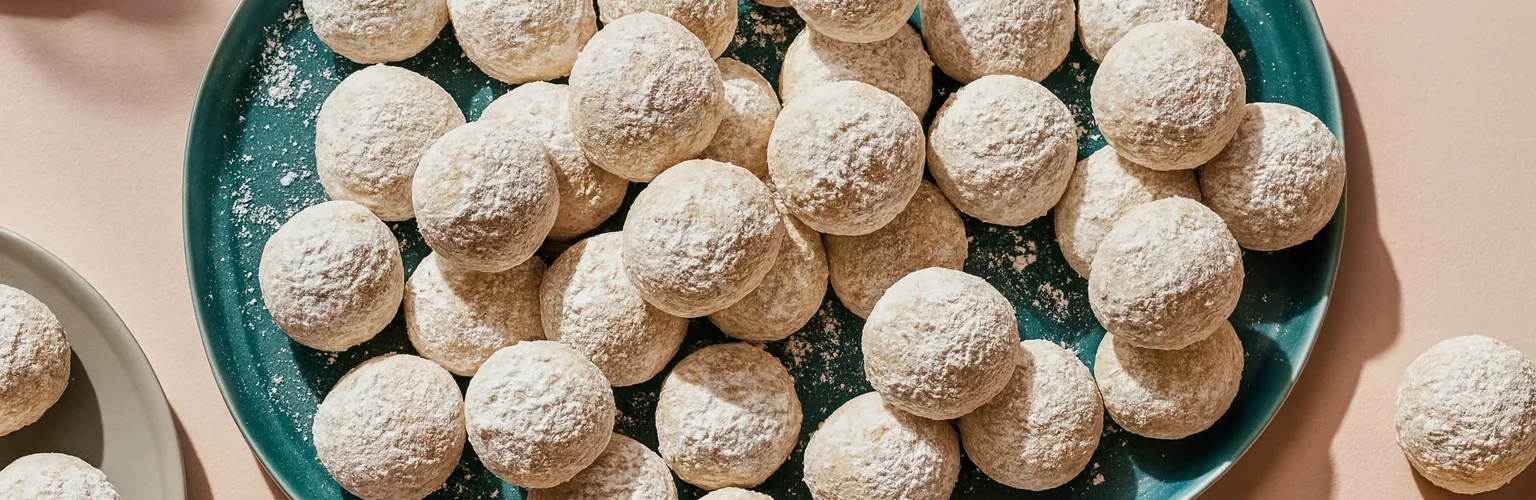
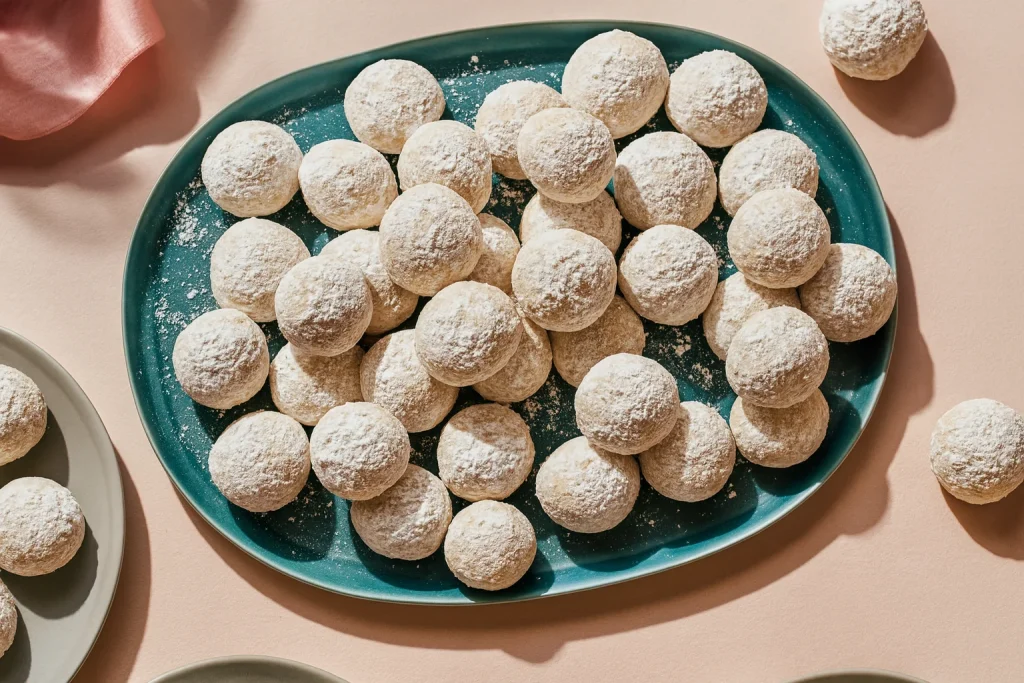
You’ve probably seen them — little round cookies blanketed in powdered sugar, stacked on holiday platters like tiny snowdrifts. Russian Tea Balls are buttery, nutty cookies that crumble tenderly the moment you take a bite. They’re simple yet luxurious, with a melt-in-your-mouth texture that makes them unforgettable.
Though their name might suggest a Russian origin, these cookies are part of a broader family of shortbread-like confections that appear in many cultures. In Mexico, they’re known as Polvorones or Mexican Wedding Cookies; in Greece, they’re Kourabiedes; and in Austria, Vanillekipferl. Their shared traits — butter, sugar, nuts, and flour — show how universal comfort can be when expressed through baking.
Key Characteristics
- Texture: Tender and crumbly, never hard or chewy.
- Flavor: Buttery, nutty, and mildly sweet — balanced by a dusting of powdered sugar.
- Appearance: Round, white, and snowball-like.
- Occasions: Christmas, weddings, tea time, and cozy winter gatherings.
These cookies might look simple, but their flavor speaks volumes about patience, warmth, and old-fashioned baking. When you make them, you aren’t just baking a dessert — you’re preserving a timeless tradition.
The History and Cultural Significance of Russian Tea Balls
Every recipe carries a story, and the story of Russian Tea Balls is one of migration and celebration. While their exact roots are debated, historians trace similar recipes back to the Eastern European and Mediterranean regions, where butter-rich pastries were common for festive occasions. The name “Russian Tea Balls” likely came into use in the United States during the mid-20th century, inspired by the popularity of Russian tea service — a symbol of elegance and hospitality.
The Russian Connection
In Russian culture, tea is more than a drink; it’s an experience. Traditional tea gatherings often include an array of delicate pastries and cookies meant to complement the rich, brewed flavor of chai. The buttery simplicity of these cookies pairs beautifully with tea’s warmth, creating balance and comfort.
A Cookie Without Borders
When immigrants brought their family recipes to the U.S., the Russian Tea Ball evolved — flour became more refined, nuts more varied, and powdered sugar more accessible. Over time, this cookie earned its place on American holiday tables, symbolizing togetherness and nostalgia.
So when you bake these, you’re not just creating sweets — you’re taking part in a shared culinary history that transcends borders and languages.
Ingredients for Classic Russian Tea Balls
Let’s start with the essentials. Here’s everything you’ll need to create a batch that’s buttery, tender, and perfect for rolling in sugar.
Table: Ingredients for Russian Tea Balls
| Ingredient | Quantity | Notes |
|---|---|---|
| Unsalted butter | 1 cup (2 sticks), softened | Use high-quality butter for best flavor |
| Powdered sugar | ½ cup (plus extra for coating) | Sifted for smooth texture |
| All-purpose flour | 2 cups | Measured correctly – spoon and level |
| Finely chopped nuts | 1 cup | Pecans, walnuts, or almonds work best |
| Vanilla extract | 1 teaspoon | Adds warmth and depth |
| Salt | ¼ teaspoon | Enhances and balances sweetness |
These simple ingredients come together to create a texture so delicate that it feels like snow on your tongue. The key lies in balance — enough butter to create richness, the right ratio of flour for structure, and a generous coat of sugar for sweetness.
Step-by-Step Guide: How to Make Russian Tea Balls
Now that you have your ingredients ready, it’s time to turn them into something magical. Follow these steps carefully for a flawless batch every time.
1. Cream the Butter and Sugar
In a large bowl, use a hand or stand mixer to beat the softened butter and powdered sugar until creamy and smooth. This step creates the base of your cookie’s texture — soft, airy, and rich.
2. Add Vanilla and Nuts
Pour in the vanilla extract and stir in the finely chopped nuts. Pecans lend a rich, earthy flavor; walnuts add a slight bitterness; almonds bring delicate sweetness. You can even toast your nuts lightly beforehand for a deeper aroma.
3. Gradually Add Flour and Salt
Slowly incorporate flour and salt into the mixture, blending until a soft dough forms. The dough should hold together but not feel sticky. If it’s too dry, add a teaspoon of butter. If it’s too wet, sprinkle a bit more flour.
4. Chill the Dough
Cover the bowl and refrigerate the dough for 30–45 minutes. This allows the butter to firm up, preventing the cookies from spreading during baking.
5. Shape the Dough
Preheat your oven to 350°F (175°C). Scoop out small portions (about one inch in diameter) and roll them into smooth balls. Place them on a parchment-lined baking sheet, leaving some space between each.
6. Bake
Bake for 12–15 minutes, until the bottoms are slightly golden but the tops remain pale. Do not overbake — these cookies should stay light in color.
7. Roll in Powdered Sugar
Let the cookies cool for 5 minutes, then roll them gently in powdered sugar while they’re still warm. Once cooled completely, roll them again for that perfect snowball effect.
8. Serve and Enjoy
Place them on a platter, dust with one final snowfall of sugar, and serve with hot tea or coffee. Each bite delivers a soft crunch, a buttery melt, and that irresistible sweetness you can’t help but savor.
Tips for Perfect Russian Tea Balls
Even a simple recipe can be elevated with a few pro baking secrets. These tips will ensure your cookies are flawless every time.
- Use room-temperature butter. It creams better, giving your cookies their signature light texture.
- Don’t skip chilling the dough. It prevents spreading and keeps your cookies round.
- Sift your powdered sugar. Lumps can ruin that smooth, velvety coating.
- Toast your nuts. A quick 5-minute toast adds a deep, nutty aroma that enhances flavor.
- Double-roll in sugar. The first roll melts slightly into the cookie; the second adds that snowy, soft finish.
- Store properly. Keep them in an airtight tin at room temperature for up to two weeks.
Each small step adds up to perfection — and when you bite into one, you’ll taste the care in every crumb.
Variations of Russian Tea Balls
The beauty of this cookie lies in its adaptability. Once you master the basic version, try experimenting with flavors and textures.
Chocolate Russian Tea Balls
Add 2 tablespoons of cocoa powder to the flour mixture for a rich, chocolatey version. Dust with a mix of cocoa and powdered sugar for a sophisticated finish.
Gluten-Free Russian Tea Balls
Replace the all-purpose flour with almond flour or a 1:1 gluten-free baking blend. The almond flour adds a delicate nut flavor that pairs beautifully with the sugar coating.
Nut-Free Version
Skip the nuts and replace them with shredded coconut or crushed oats for a chewy, allergy-friendly alternative.
Holiday-Inspired Flavors
Infuse your dough with orange zest, cinnamon, or crushed peppermint for a festive twist. You can even color your sugar coating slightly for themed celebrations.
Vegan Russian Tea Balls
Swap the butter with plant-based margarine or coconut oil. You’ll still get that crumbly texture — just with a subtle hint of coconut.
No matter how you modify the recipe, the essence stays the same: buttery, melt-in-your-mouth comfort.
Serving and Storing Russian Tea Balls
These cookies aren’t just a treat; they’re a tradition of sharing.
How to Serve
- Serve with a warm cup of tea or coffee.
- Arrange them on a platter for holidays, baby showers, or weddings.
- Wrap a dozen in cellophane and tie with a ribbon for a thoughtful homemade gift.
- Pair them with spiced beverages like chai or mulled wine for a winter-perfect combo.
Storage Tips
- Room Temperature: Store in an airtight tin for up to 2 weeks.
- Freezer: Freeze baked cookies for up to 3 months in a sealed bag. Dust with fresh sugar before serving.
- Make Ahead: You can refrigerate the dough for 3–4 days before baking.
These cookies actually taste better the next day as the flavors settle and the texture softens. That’s part of their charm — time makes them even more delightful.
Nutritional Facts (Per Cookie)
| Nutrient | Amount |
|---|---|
| Calories | 120 |
| Fat | 8g |
| Carbohydrates | 10g |
| Sugar | 5g |
| Protein | 2g |
| Fiber | 1g |
| Sodium | 30mg |
(Values may vary based on ingredients used.)
FAQs About Russian Tea Balls
What makes Russian Tea Balls melt in your mouth?
The secret is the high butter content and fine powdered sugar. When baked, the butter creates a tender crumb, and the sugar coating adds a smooth, sweet finish that dissolves as you eat.
Can I make Russian Tea Balls ahead of time?
Yes! They’re perfect for prepping in advance. You can bake them a day or two before serving, or freeze the dough to bake fresh when needed.
Why do my Russian Tea Balls fall apart?
If they crumble too much, it’s likely due to not enough butter or overbaking. The dough should be slightly soft but hold its shape.
Are Russian Tea Balls and Mexican Wedding Cookies the same?
They’re nearly identical — both are buttery, nut-based cookies rolled in powdered sugar. The difference lies mostly in cultural naming and nut preference.
Can I freeze Russian Tea Balls?
Absolutely. Freeze either the baked cookies or the dough. When ready to serve, thaw and dust them again with powdered sugar for a fresh look.
Conclusion: A Bite of Love and Tradition
When you take a bite of a Russian Tea Ball, you’re not just eating a cookie — you’re savoring a memory. Each crumb whispers of generations who baked with love, shared joy, and found warmth in the simplest ingredients.
It’s incredible how flour, butter, and sugar can tell a story that spans continents and centuries. Every time you bake them, you become part of that story — one filled with togetherness, sweetness, and home.
So go ahead — tie on your apron, preheat your oven, and let the scent of butter and sugar fill your kitchen. Whether you share them with friends, family, or keep a secret stash just for yourself, remember this: love is best served with a dusting of powdered sugar.
Call to Action
If you’ve never baked Russian Tea Balls before, this is your sign. Try the recipe, tweak it to your taste, and share it with someone who could use a little sweetness today.
Leave a comment below to tell others how yours turned out, and don’t forget to share your creation on social media — tag it with #RussianTeaBallsLove to inspire others to join the tradition.